
.png)
We take electricity for granted — until the grid gets pushed too far. A heatwave, a cold snap, too much demand, or too little supply… and suddenly the system is under pressure. That’s where battery storage steps in — not just as a backup, but as a backbone for the energy transition.
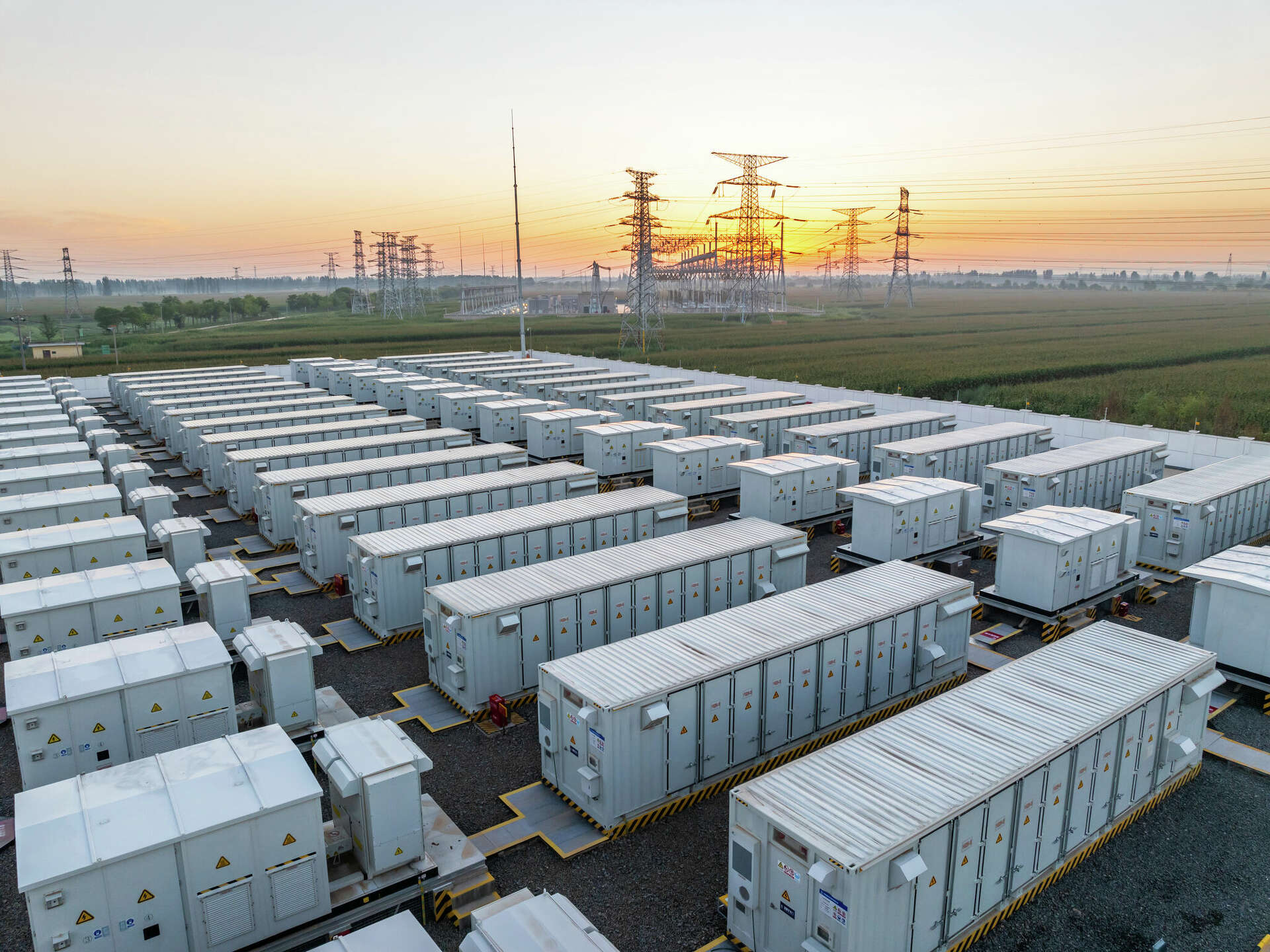
We work on developing standalone battery energy storage systems (BESS) — container-sized power assets that are connected directly to the grid, without needing to be tied to a solar or wind farm. These systems are designed to charge when electricity is abundant (and often cheap) and discharge when the grid needs support — like during demand peaks or shortfalls.
They don’t generate electricity — they give the grid breathing room.
The more renewables we add to the system, the more variable things become. Solar only works during the day. Wind can drop off unexpectedly. But electricity demand never stops — and it has to be balanced in real time.
These aren’t huge power plants — they’re smart, container-sized systems that can sit at the edge of the grid, near substations, industrial zones, or weak spots in the network. They respond instantly to grid signals and play a key role in balancing services and frequency regulation.
And because they’re modular and mobile, they can be deployed faster than traditional infrastructure — often in months, not years.
We’re not talking theory here — we’re developing and deploying real projects, starting in areas where the grid is under strain and the need for flexibility is urgent. We work hand in hand with trusted EPC partners (Engineering, Procurement & Construction) who deliver at the same standard.
This is part of the bigger picture: building a power system that can handle more renewables, respond to change, and stay resilient under pressure.