
.png)
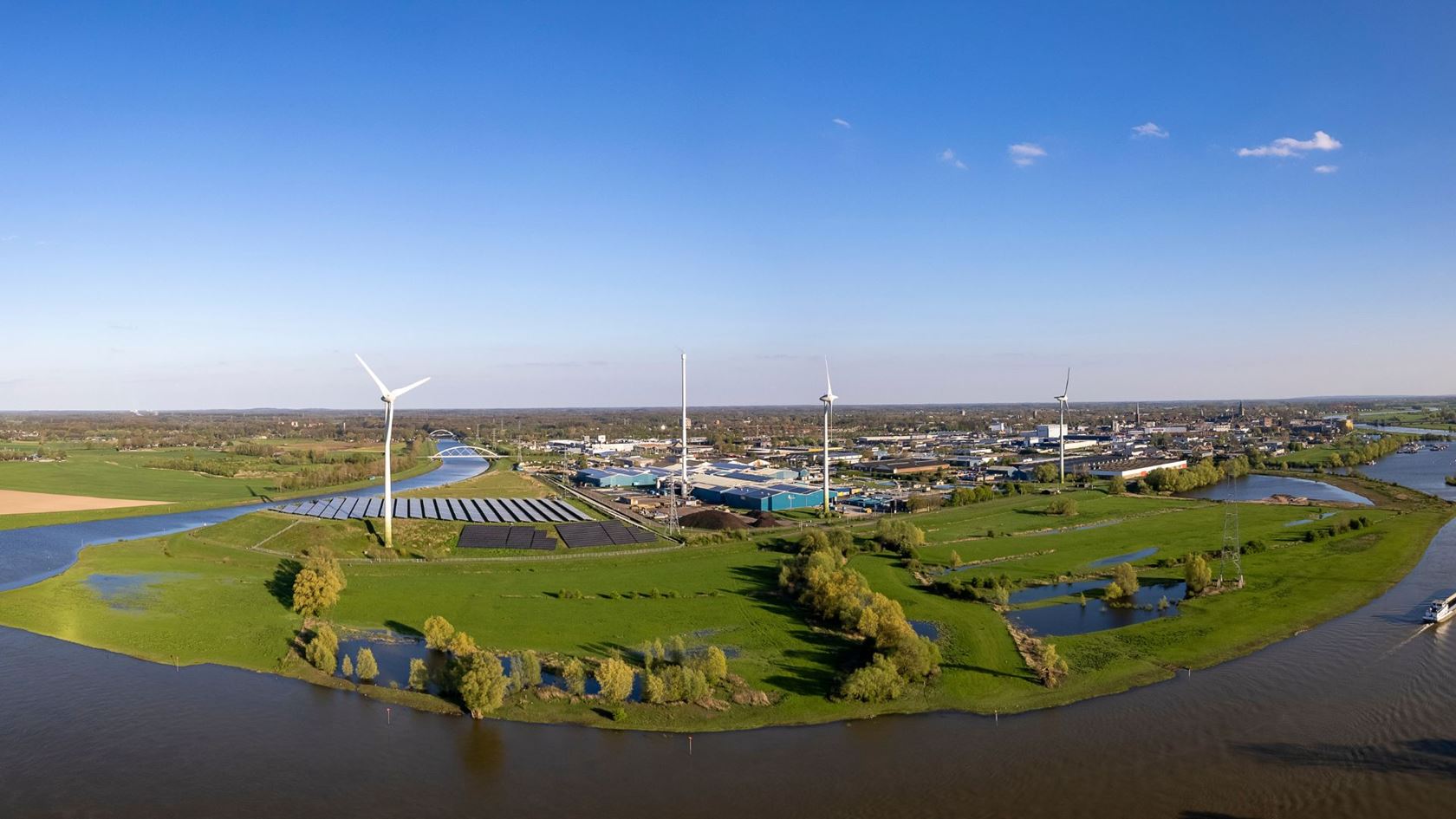
Most people don’t think much about electricity — until there’s a blackout, a surge in prices, or the grid simply can’t deliver when it matters.
The way we produce and use energy is changing. More renewables like solar and wind are being added, which is good for the planet — but also adds complexity. Sunlight and wind aren’t always available on demand, and the traditional energy system wasn’t designed for flexibility. Meanwhile, everything’s going electric — from cars to heating systems to entire industries.
This is where microgrids come in.
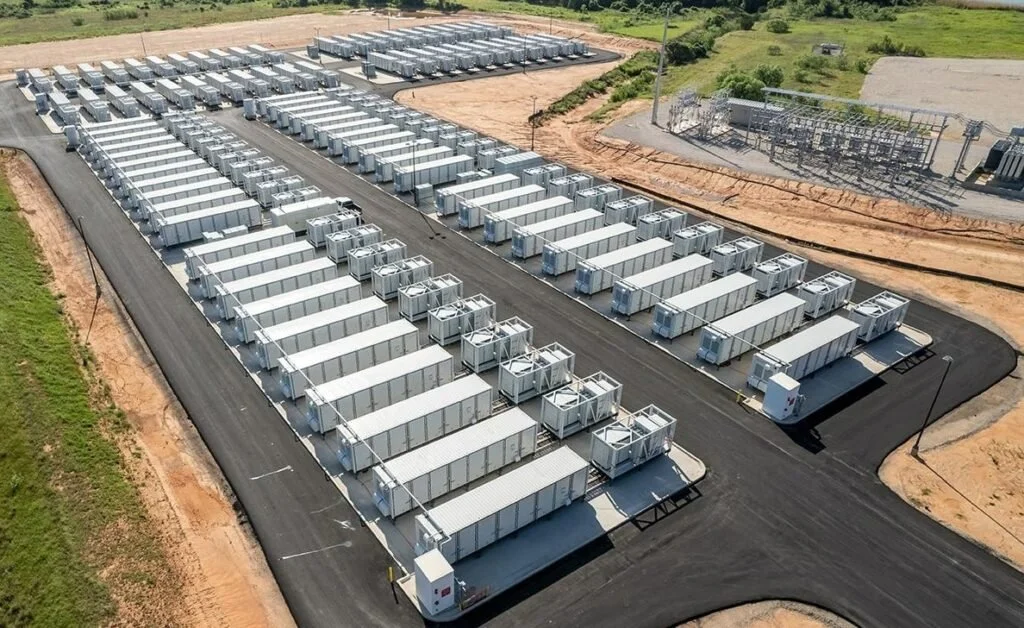
In simple terms, a microgrid is a small-scale, self-contained energy system. It can produce power (typically through solar panels), store it in batteries, and deliver it locally — all without depending on a huge centralized grid.
Microgrids can operate connected to the main grid or in island mode (independently), which means they keep running even when the larger system fails. Think of them as smart, local energy hubs — designed to serve specific communities, campuses, factories, or remote areas.
Because the traditional grid model is outdated in many places. It’s vulnerable to outages, expensive to upgrade, and often too centralized to adapt quickly. Microgrids, on the other hand:
We’re developing renewable-powered microgrids — with solar, battery storage, and intelligent control systems. These systems are built from the ground up: we find the sites, design the solution, manage the permits, and work with engineering teams to bring them to life.
Each project is tailored to the local needs — whether that’s powering an industrial park, stabilizing a rural community’s supply, or helping a commercial zone cut energy costs and emissions.
Microgrids make energy more resilient, affordable, and clean. They’re part of the shift from one-size-fits-all electricity to local, flexible, and future-ready power.
You might not notice a microgrid in action — but you’ll feel the impact when the lights stay on, the bills go down, and the system just works.