
.png)

Shipping keeps the world moving. From goods on store shelves to global trade, over 80% of everything we use travels by sea. But there’s a cost — and it’s not just financial. The maritime sector burns millions of tonnes of heavy fuel oil, releasing huge amounts of CO₂, sulfur oxides, and other pollutants into the air and oceans. If shipping were a country, it would be one of the top 10 carbon emitters in the world.
That has to change — and fast.
Ports electrified. Ships energised. Oceans purified.
That’s the vision we’re working toward.
We’re building practical solutions to support the decarbonisation of the maritime industry — starting with the development of clean energy infrastructure at and around ports.
The goal is simple: reduce emissions without waiting for a perfect solution. Here’s how:
Instead of running diesel engines while docked, ships can plug into electricity from clean sources. This cuts emissions right at the port — where people live, breathe, and work.
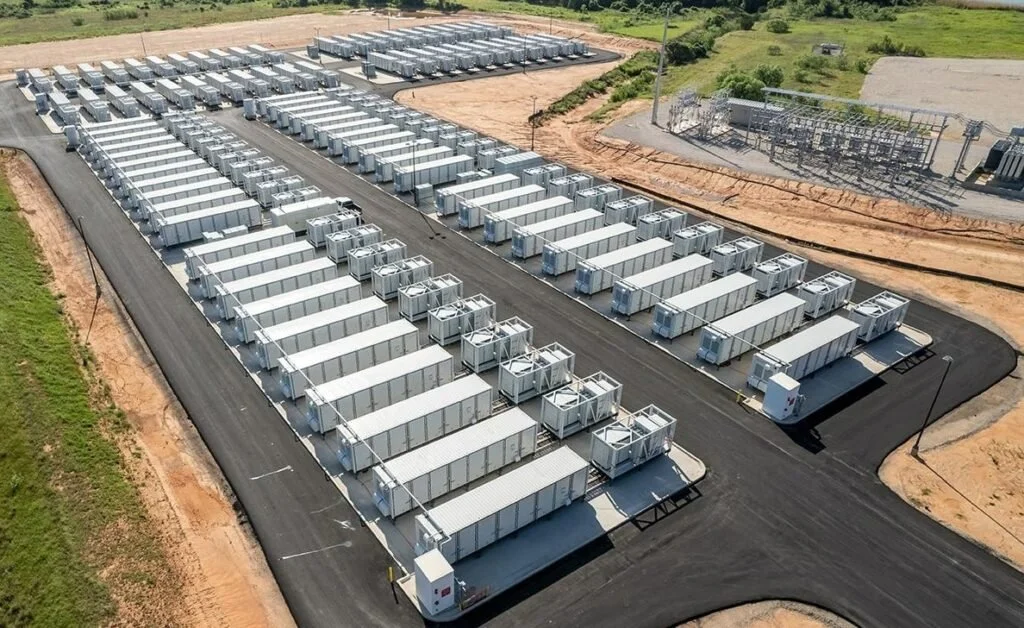
We’re deploying containerised battery systems that deliver flexible, mobile shore power where permanent grid upgrades aren’t available yet.
We’re also working on modular battery containers that can be used for onboard operations or even propulsion for short-distance vessels. These systems are plug-and-play, portable, and ready to support tugs, ferries, or service boats.
Most port operators or vessel owners can’t afford to overhaul their systems overnight. That’s why we offer energy-as-a-service models — no upfront investment, just clean energy delivered where and when it’s needed, with predictable costs.
This isn’t a far-off idea. The systems we’re building are real, mobile, and working now — starting with early deployments in Europe and expanding to where they’re needed most.